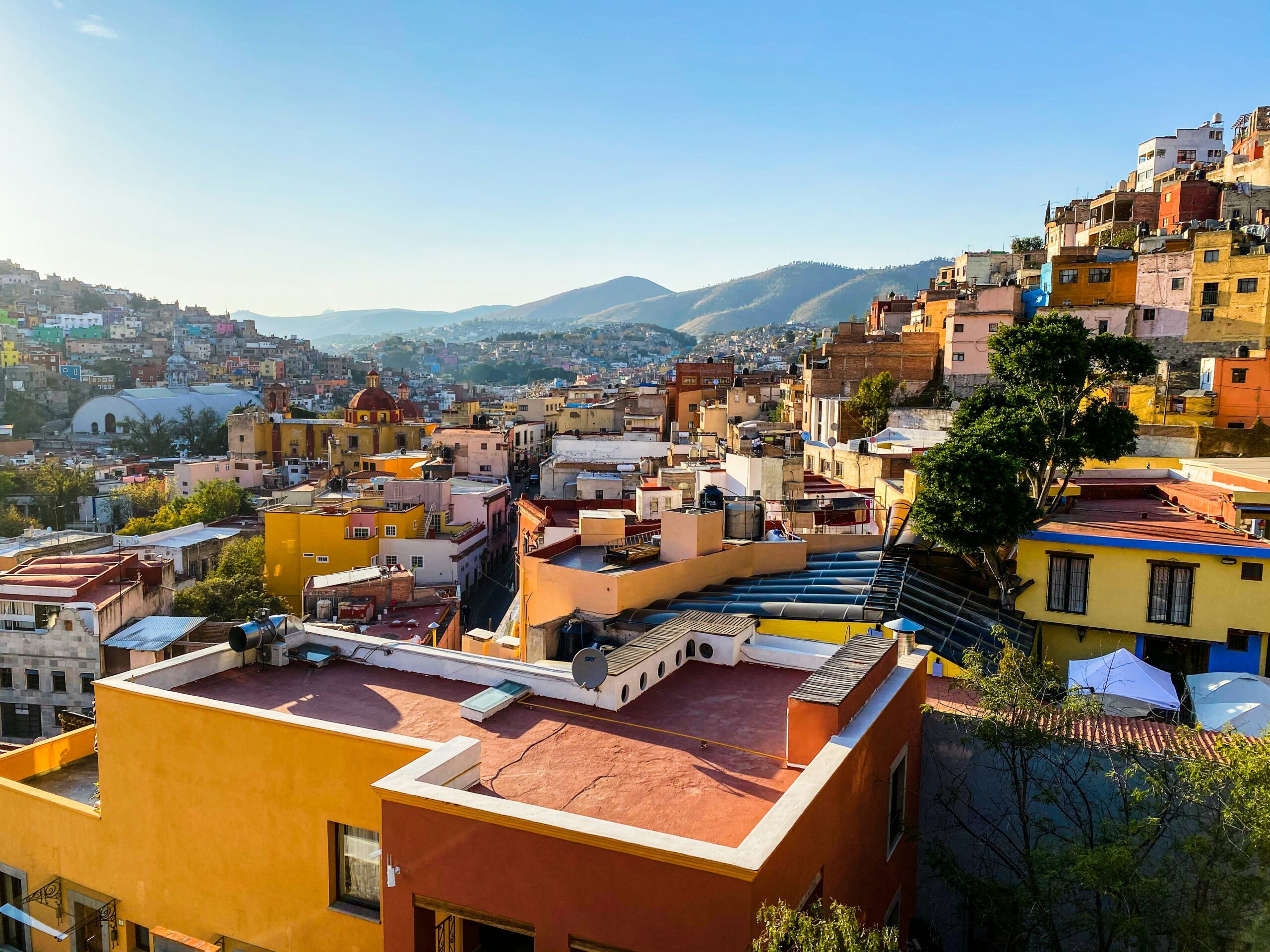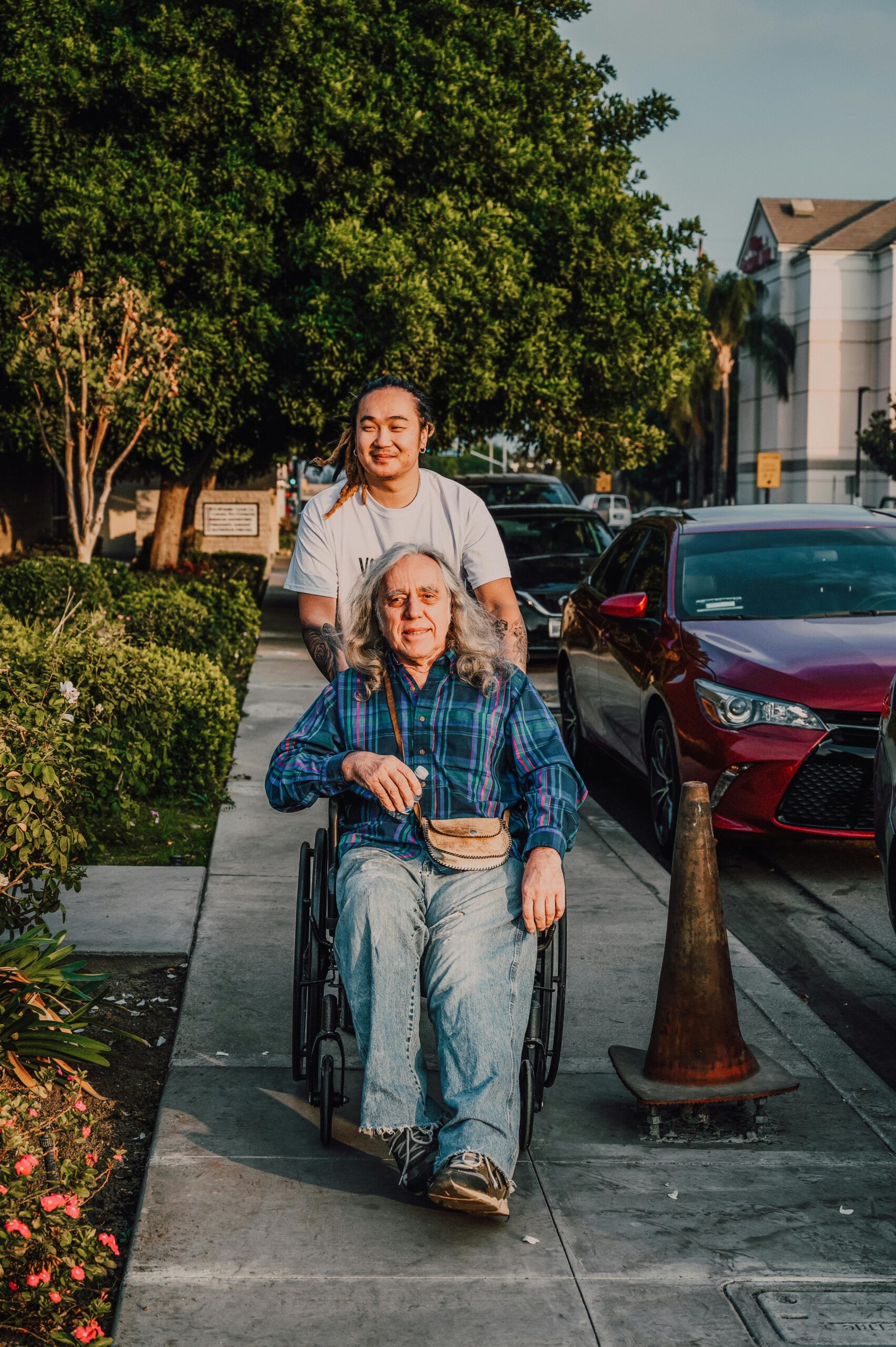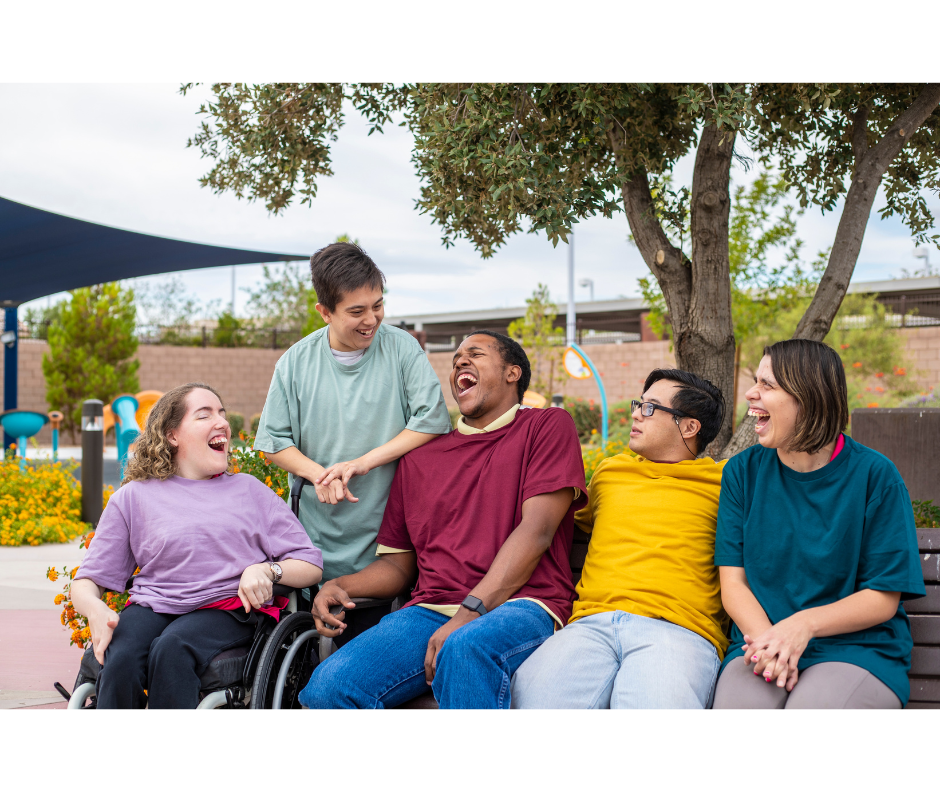
On 17 July 2025, the International Social Tourism Organisation's working group on Community and Fair Tourism organised a round table discussion on a key issue: how can communities prepare to offer a dignified, accessible and enriching tourism experience to people with disabilities?
In the context of community tourism, the inclusion of persons with disabilities remains a major challenge, but also an opportunity to strengthen social cohesion and local engagement. Three speakers from Spain and Mexico shared projects, practices and reflections that shed light on this path.
Miriam Adame: Miriam holds a bachelor's degree in hospitality and tourism and a master's degree in advertising and strategic marketing, with 20 years of experience in the tourism sector. She has worked in the hotel industry, coordinated the development of the Guanajuato State Tourism Observatory and worked on the creation of the state's tourism sustainability model. She currently assists various organisations with data generation and analysis, strategic planning and sustainability in tourism, and collaborates as a lecturer at ENES UNAM León on inclusion and accessibility, as well as tourism policy and planning.
Adriana Islas: Head of the Tourism and Sustainable Development degree programme at UNAM ENES León, she has 23 years of experience in the tourism sector, where she has held key positions in academia, private enterprise and government, both nationally and internationally. She holds a Master's degree in Human and Organisational Development and a degree in Tourism Business Administration. She is a member of the technical group of the Guanajuato State Tourism Observatory, the UN Tourism International Network of Sustainable Tourism Observatories, and the Mexican Academy of Tourism Research.
Adriana Hurtado: Graduate in law and business administration, with a master's degree in tourism management and a doctorate in human sciences. She has been working as a project coordinator at KOAN Consulting for over 5 years and has extensive experience in managing European initiatives that promote sustainable tourism, accessibility and regional development. She combines this work with academic and scientific activities as a teacher and researcher in the field of tourism, cultural heritage and sustainability.
Lessons from the European DIANA programme: tools for involving local communities and making nature accessible